

Potatoes are a beloved food staple for good reason, thanks to their versatility and nutritional value. But, there’s nothing worse than soggy fries when you’re craving something crispy, or gummy mashed potatoes when you want a fluffy, decadent side. The secret to the perfect potato dish is selecting the right potato for the job.
There’s a variety of potato types for cooking, each with its own texture and cooking instructions. If you’re unsure about which potato to pick for your recipe, discover our guide to the best potatoes for your favorite dishes.
Every type of potato has a different moisture and starch content, which affects its flavor profile and ideal cooking methods. For example, starchy potatoes are beloved for their fluffiness but don’t necessarily hold their shape well enough for roasts. Here are the key differences between the potato categories:
Starchy potatoes are a popular choice for home cooking, thanks to their high starch content and low moisture. This combination makes starchy potatoes fluffy and smooth in texture, while their flavor is often more neutral.
Common starchy potatoes include the classic russet, as well as most sweet potatoes. Since starchy potatoes are low in moisture, they are ideal for mashing, baking and frying. Reduced moisture also means that starchy potatoes are more absorbent, which is why they pair so well with butter or cream.
The main types of waxy potatoes include most reds, white variants, new potatoes, and fingerling potatoes. These variants are known for their density, which helps them retain their shape while cooking. These potatoes have a lower starch content and higher moisture retention. Waxy potatoes are known for being sweeter and firmer than starchy potatoes, making them an ideal choice for dishes where the potatoes need to hold their shape until served.
Some of the uses for waxy potatoes include stews, braises and soups. Alternatively, roast them whole for a silky potato side dish. Fingerling and baby potatoes have an added advantage — you don’t even need to peel them, cutting down on your prep time.
All-purpose potatoes are often the safest bet for most recipes since they’re the most versatile. These potatoes strike the perfect balance between starchy and waxy, with just enough moisture retention. All-purpose potatoes include yellow, white and purple potatoes. Home cooks often choose all-purpose potatoes for their versatile texture and thin, edible skin.
For the best results, use all-purpose potatoes in dishes such as mash, roasts and stews. However, all-purpose potatoes also fry and bake just as well. These potatoes often have a rich, buttery flavor and a versatile texture that holds its shape during cooking.
Have you ever experienced potato paralysis in the grocery store, where you simply can’t decide between the myriad of potatoes on offer? Luckily, there are a few tried and true hacks to ensure you buy the best potatoes for your dish. Here are the best options to use for some of the most popular potato dishes:
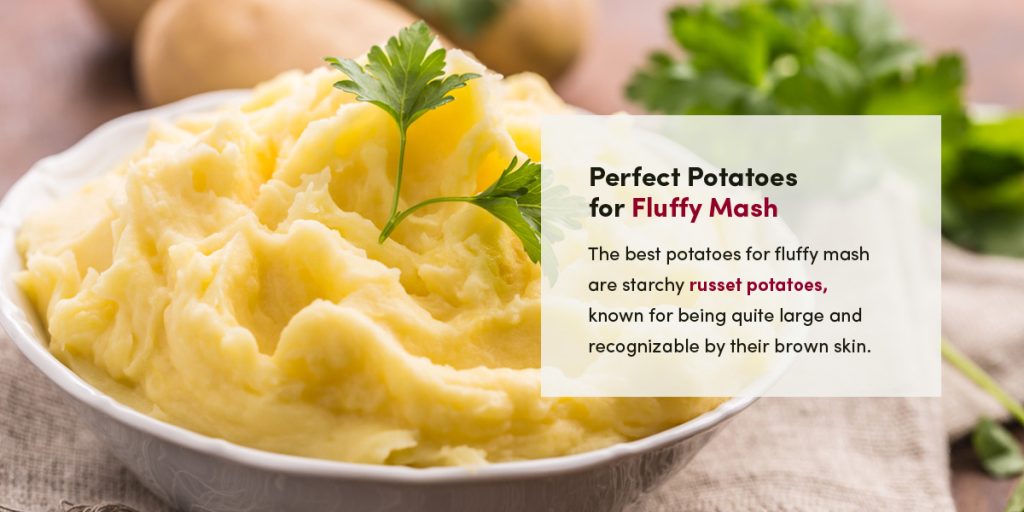
Mash is one of the most common starchy potato recipes. The best potatoes for fluffy mash are starchy russet potatoes, known for being quite large and recognizable by their brown skin. Russets are what most people will think of when you say “potato.”
Another go-to choice for mashed potatoes is the yellow potato, known for its creamy texture and buttery flavor. Waxy potatoes, such as red potatoes, are usually a last choice for mashing.
Russet potatoes retake the top spot when it comes to crispy potato dishes. Most restaurants and fast food chains use russet potatoes for their French fries. This potato variety yields fries with a crispy outer layer and a fluffy center. Avoid using low-starch potatoes for fries, as they are more likely to be soft and soggy.
The perfect potato salad calls for a potato variety that holds its shape well while being soft enough for a creamy mouthful once cooked. For the best potato salads, use waxy potatoes such as red potatoes. These waxy potatoes become soft enough when cooked, but retain their shape when tossed with your dressing.
For soups and stews, you want to use a potato that won’t completely fall apart into a mush. Still, your potatoes should be soft enough to allow some of the moisture from your soup or stew to seep in. The best potatoes for soup or stew are fingerling potatoes for their waxier texture or yellows for their buttery flavor.
Russet potatoes are a classic choice for roasting and baking due to their size. They are large enough to serve as a delicious side dish with crispy skin, a creamy inside and plenty of room for a variety of toppings.
To get the best baked or roasted potatoes in less time, look for our Bakeables™ line of potatoes in a grocery store near you — they’re hot and ready to eat in just 8 minutes! And if you’re grilling out, Grillables™ are pre-washed, wrapped in foil and sized consistently for even cooking.
While russet potatoes can dry out a bit with longer cooking, it’s nothing that a bit of butter can’t fix.
Cooking potatoes can be tricky, especially when you’re not using the correct type for your dish. Some of the most common mistakes people make with potatoes include:
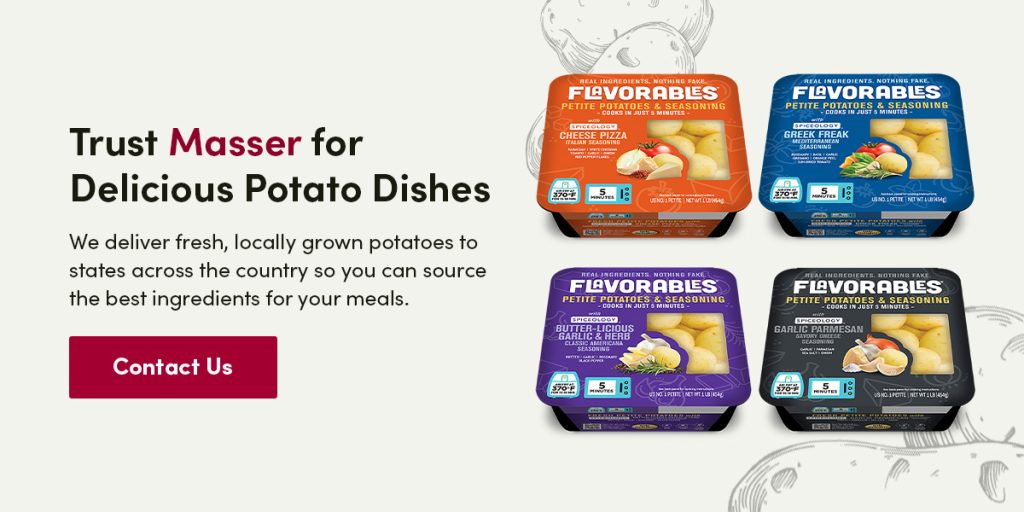
We deliver fresh, locally grown potatoes to states across the country so you can source the best ingredients for your meals. No time to prep potatoes? Try our Flavorables for a high-quality shortcut to incredible flavor in a fraction of the time. Contact us today and look for Side Delights at your local grocery store for the best quality and variety.