


You’re standing in the produce aisle, comparing two bags of potatoes. One has a green “USDA Organic” label and costs $5.99. The other looks nearly identical but rings up at $3.49. Your hand hovers between them.
Are organic foods healthier? Is the organic option really worth the extra money? You’re not alone in this dilemma. Millions of families face this choice every week, wanting to provide the best nutrition while managing a grocery budget.
The organic food industry has grown into a $76.6 billion market, yet confusion still surrounds what organic actually means and whether it delivers measurable health benefits. This guide cuts through the noise with clear, data-backed answers. You’ll learn about how organic and conventional food differ, and what science says about the benefits. By the end, you’ll have all the information you need to shop with confidence.
When you see the green and white USDA Organic seal on food, you’re looking at a legal guarantee backed by federal standards and regular inspections. For a product to earn that label, farmers and producers must follow strict rules throughout the entire growing and handling process.
For crops like fruits, vegetables and grains, the organic certification means several key things:
These strict standards have driven meaningful change in American agriculture.
The differences between organic and conventional food come down to farming practices. Here’s a quick comparison of both options:
Both organic and conventional farmers work hard to produce safe, nutritious food. The difference lies in the tools and methods they’re allowed to use.
While organic vegetables aren’t definitively healthier than conventional ones, they generally contain fewer synthetic pesticide residues and more antioxidants. Let’s explore some of the health benefits of organic food.
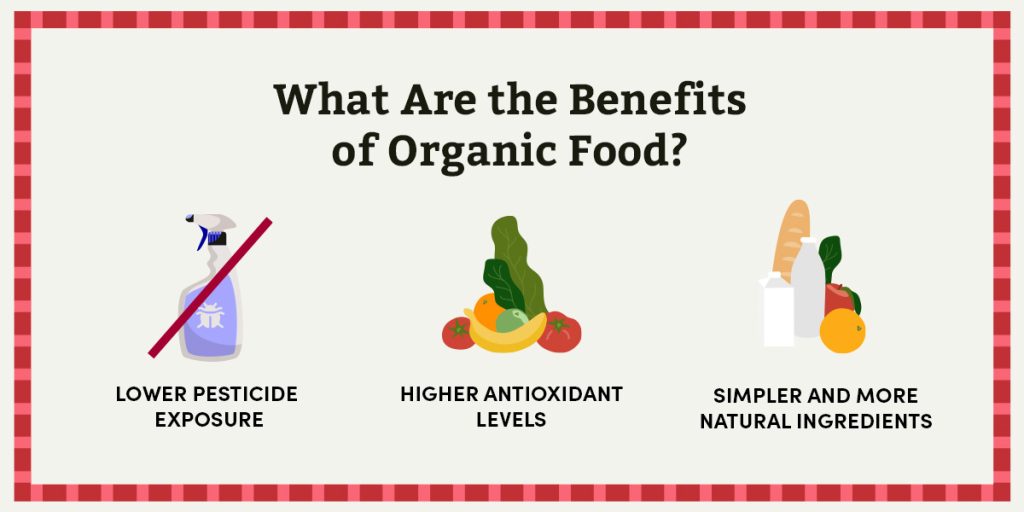
This is the most significant and widely agreed-upon benefit of choosing organic food. When you buy organic, you’re directly reducing your household’s exposure to synthetic pesticide residues.
It’s important to keep perspective here. Conventional foods are safe according to EPA standards — there’s no question about that. When the USDA’s Pesticide Data Program tested conventional produce in 2024, more than 99% of samples showed pesticide residues well below EPA safety benchmarks.
That said, “below the limit” still means some residue is present. For families who prefer to avoid these chemicals entirely, organic products offer a way to do so, as they are grown without synthetic pesticides.
Antioxidants are compounds that help protect your cells from damage. Many fruits and vegetables contain these compounds naturally, which support overall health and disease prevention.
Some studies suggest that certain organic foods have higher antioxidant levels than their conventional counterparts. The difference appears to be linked to how plants respond to stress — without synthetic pesticides, organic plants may produce more of their own protective compounds.
However, researchers are still studying whether these higher antioxidant levels translate into measurable health improvements for people who eat organic. The science is promising but still evolving, so treat it as one factor to consider when making your decision.
Beyond how crops are grown, organic standards also govern what can be added during processing. Organic certification prohibits GMOs and restricts the use of synthetic additives, including certain preservatives, artificial colors and artificial flavors.
For families who are pursuing clean eating or simply want to know exactly what’s in their food, this simplicity offers real value. You’re getting food that’s closer to its natural state, with fewer synthetic ingredients between the farm and your table. That peace of mind matters, especially when you’re feeding young children or managing dietary sensitivities.
Here’s what you’re getting when you choose organic:
Organic food often costs more due to more labor-intensive farming practices, lower yields and stricter certification requirements. For many families, that price difference is a real consideration. However, with the U.S. sales of organic food soaring each year, it’s safe to say that many families are finding value in making this choice.
If minimizing chemical exposure is a priority, organic delivers on that goal. If you value environmental sustainability, your grocery dollars make a difference by backing sustainable agriculture.
What about flavor? As for taste, there’s no scientific consensus that organic foods taste better than conventional options. Factors like freshness, seasonality and the specific variety of a crop have a much bigger impact on flavor than whether something was grown organically. If you’re choosing organic, base your decision on farming practices and health considerations, since taste depends more on freshness and variety.
The decision is personal, and there’s no wrong answer — ultimately, whether you opt for organic or conventional depends on your family’s priorities and budget. What matters is that you have the information to choose what works best for you.
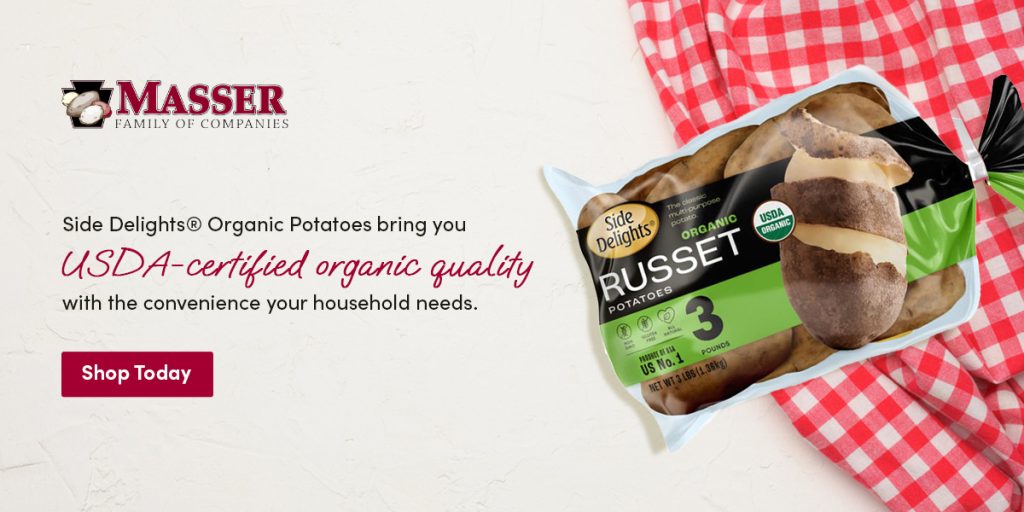
If you’re ready to try organic but aren’t sure where to start, potatoes are an ideal first step. They’re versatile, affordable and a staple in most family meals — from weeknight dinners to weekend brunches.
Side Delights® Organic Potatoes are the USDA-certified organic potatoes that aren’t only better for you, but taste great. Masser Potato Farms, a family operation with over eight generations of farming expertise, grows these U.S. No. 1 grade potatoes using sustainable practices. Each potato is non-GMO and free from synthetic pesticides.
You’ll find them at most major grocery stores, making it easy to bring organic into your kitchen without changing where you shop. Look for Side Delights potatoes at a retailer near you and take a simple, confident step toward the nutrition you deserve.